

Will My Child Fall Behind Over March Break? How to Keep Skills Sharp
 October 29, 2026
-
 6 Min
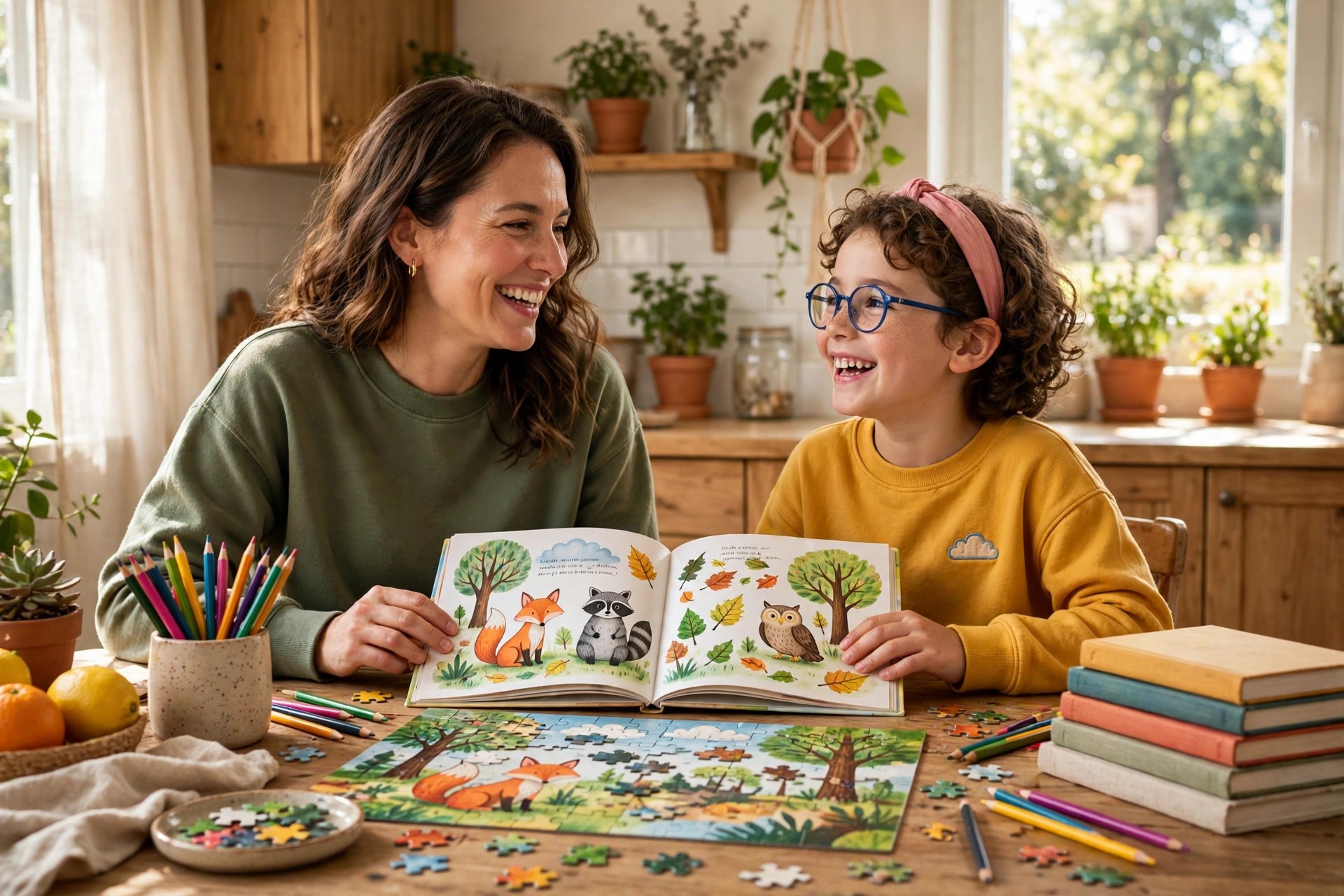
A Little Daily Practice — Not a Week of Worksheets — Keeps the Return to School Smooth
March Break is meant to be a break — and it should be. Your child has earned a week away from early mornings, homework, and tests. But if you have ever watched your child struggle through the first week back after a holiday, you have seen the other side of it: reading that feels a little slower, math facts that take a second longer to recall, writing that starts out stiff. A week off simply loosens the routines school builds every day. The good news is that a small amount of low-pressure practice during the break is enough to keep those routines warm.
1. What the March Break dip really is
The March Break dip is not about forgetting everything your child learned. It is about fluency going soft. Skills that were just becoming automatic — reading smoothly, recalling multiplication facts, spelling common words — get a little less automatic when they are not used for a week. The dip is also about routine: school gives children a daily rhythm of reading, math, and writing time, and a week without it makes the first Monday back feel like a much bigger jump than it really is.
2. Which skills slip first
Reading fluency is usually the first thing to wobble, especially for younger readers. A child who was reading aloud with confidence before the break may stumble more on the first book back, simply because they have not practised reading out loud for a week. Math facts are next: addition, subtraction, and times tables that were quick before the break can slow down, and that slowness makes new math feel harder, because part of their brain is busy retrieving facts instead of learning the new idea. None of this means lasting damage. It means the warm-up back takes a few days, and a little practice during the break can shorten it.
3. The 20-minute-a-day plan that actually works
Here is the plan I suggest to parents: about 20 minutes a day, most days of the break, and no more. That is short enough that it never feels like school, and long enough to keep skills warm. Split it if it helps — 10 minutes of reading and 10 minutes of something else. Reading can be anything your child enjoys: a novel, a comic, a sports magazine, a cookbook. The point is eyes on words, every day. For the other 10 minutes, rotate: one day math facts with a card game or a quick drill, one day a short journal entry about the day, one day a puzzle, a board game, or a building challenge that uses measuring and counting.
4. Make it fun, not school-at-home
The fastest way to ruin this plan is to turn March Break into a week of worksheets. Children can smell a school assignment from across the room, and a break that feels like school will not feel like a break at all. Instead, hide the learning inside things your child already wants to do. Cooking together is fractions, measuring, and following instructions. A board game is adding, strategizing, and reading cards. A trip to the library lets your child pick their own books, which matters more than any reading list you could make. If your child asks to skip a day for a special outing, say yes. One missed day changes nothing; a week of battles changes everything.
5. What not to do over the break
Do not save everything for the Sunday night before school starts. A last-minute cram session — a whole workbook in one evening — teaches nothing and starts the school week with stress and tears. Do not buy a thick grade-level workbook and expect your child to work through it; most of it will sit untouched, and both of you will feel guilty about it. And do not use the break to reteach a whole unit your child struggled with before the holidays. If a topic was genuinely hard, that is a sign your child needs teaching, not more solo practice — a teacher working through it with them will do more in a few sessions than a week of frustrated guessing at the kitchen table.
6. Ease back in during the last two days
The last two days of the break are the bridge back to school, and a little structure here pays off. Have your child read a bit longer than usual, do a few math facts, and write a short paragraph about the best part of their break — a gentle warm-up for all three skills at once. The night before school, pack the bag together, lay out clothes, and set the alarm a little earlier than break time so the first morning is not a shock. Children walk back into class more confidently when the first day feels familiar rather than sudden. If the first week back still feels bumpy, give it time — most children settle back into their rhythm within a week or so.
7. How tutoring can help
If your child was already struggling before the break, or if the first week back shows that the rust is not shaking off, a little targeted help can make the rest of the term much smoother. An Ontario-certified teacher can quickly find out which skills are shaky — is it the reading, the math facts, or the confidence? — and work on exactly those, rather than redoing everything. A few sessions can rebuild fluency faster than weeks of homework battles at home. That is the kind of support we offer in Math and English, one-on-one or in small groups of no more than four, online or in person in Brampton — and a free trial session is an easy way to see whether it helps your child.
March Break should stay a break. Your child does not need a week of schoolwork in disguise — just a little daily reading, a little play with numbers, and a calm return to routine. The skills will still be there on the first Monday back, warmed up and ready to go.
Try a Free Session
The best way to see if tutoring is right for your child is to try it. Book a free trial session with one of our Ontario-certified teachers — online or in person in Brampton — and get an honest sense of where your child stands and what would help most.
Prefer to talk first? Call (647) 624-8393 or message us on WhatsApp.