

Math Anxiety in Kids: Signs, Causes & What Parents Can Do
 September 23, 2026
-
 6 Min
6 Min
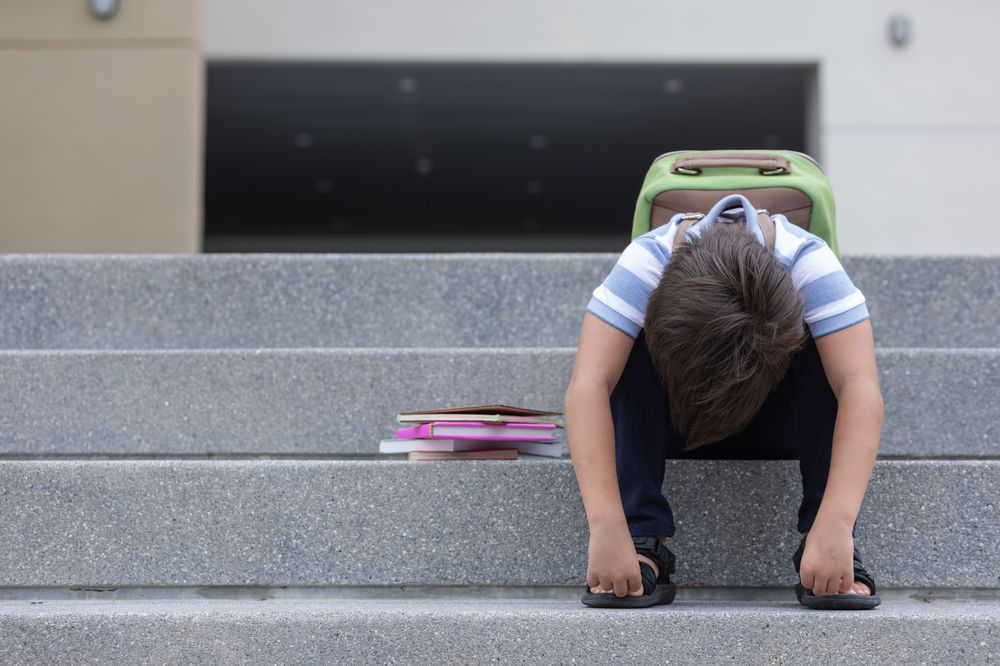
When Your Child Says "I'm Just Not a Math Person"
Nothing hurts quite like watching your child shut down over math. The tears at the kitchen table, the stomach ache that appears like clockwork before math class, the whispered words: "I'm just not a math person." As an Ontario-certified teacher, I see math anxiety every single week — and I want you to know it is not about laziness or low intelligence. It is a real, common reaction that has real causes, and there is a lot you can do about it.
1. What math anxiety actually looks like
Math anxiety is a feeling of fear or tension that shows up whenever a child has to do math. Watch for avoidance: suddenly needing water, a bathroom break, or another snack every time homework starts. Watch for tears or stomach aches right before math class. In class, you might see a child rushing through work just to get it over with, or the opposite — freezing on a test they could handle at home. Younger children often show it physically (tummy aches, headaches), while older ones hide it behind "I don't care about math anyway." Some kids quietly decide math is "not for them" and stop trying altogether. That shutdown is not a character flaw; it is a child protecting themselves from the panic they feel.
2. Where it comes from: timed pressure
One of the biggest triggers is timed pressure — mad minutes, fast-recall drills, and tests that reward speed over understanding. For many children, the clock turns math into a race, and the child who processes carefully suddenly looks like the child who "can't do math." The tragedy is that speed and mathematical thinking are not the same thing; some of the deepest thinkers are simply not the fastest. If your child's anxiety spikes the moment time is involved, this is very likely part of the story. A calm, unhurried approach at home can start undoing that association right away.
3. Where it comes from: gaps in the basics
Math builds like a staircase, and a missing step near the bottom makes everything above it feel shaky. A child who never fully mastered multiplication facts or fraction sense will feel that wobble every time harder work asks them to stand on it. From the outside it looks like anxiety; underneath, it is often a gap nobody spotted. This is actually good news: gaps can be found and filled, and once the foundation is solid, the panic above it usually fades too.
4. Where it comes from: what kids absorb from adults
Children watch how we react to math. Two common moments plant anxiety: a parent saying "I was bad at math too" — meant as comfort, but heard as proof that math struggle runs in the family — and a child being put on the spot or corrected publicly, at school or at the table, in a way that feels embarrassing. Humiliation is one of the fastest ways to attach fear to a subject. None of this means you have caused the problem; it means you have real influence in fixing it.
5. Change the script: how you talk about math matters
Retire the sentence "I was bad at math too" and replace it with struggle-normalizing language: "Math is hard, and getting stuck is part of learning it." Praise strategy and effort, not speed — "you kept trying different ways" builds more confidence than "you finished so fast." When your child says "I can't," add the word "yet": "You can't do this one yet." Growth mindset is not just a poster phrase; it is a daily habit. Kids who hear that math ability grows with practice are far more willing to attempt the next hard problem — and far less likely to crumble when they get one wrong.
6. Rebuild confidence with small wins and low-pressure practice
An anxious child does not need harder problems — they need a run of easy, solvable wins. Play math games without a timer: card games, dice games, and cooking measurements all count as practice. Work in short, relaxed bursts instead of long tense homework marathons, and always end on a success, even a small one. When helping with homework, try the right way: ask "how did you start?" and "can you show me what this part means?" instead of showing them your method. Let them be the expert who explains. And keep homework help calm and short — if everyone is frustrated, stop and return tomorrow. A child who feels safe making mistakes at home will start taking healthy risks in class.
7. How tutoring breaks the anxiety cycle
When math anxiety has taken hold, working with a teacher one-on-one or in a small group can interrupt the pattern in ways homework time at home sometimes can't. There is no audience and no embarrassment — your child can ask "silly" questions freely. The pacing belongs to the child, not the clock, so lessons move at the speed of understanding. And because we do not move on until a concept is mastered, the gaps underneath the anxiety actually get filled instead of papered over. Supportive tutoring does not cure anxiety overnight, but a steady cycle of small wins with a calm, patient teacher is how confidence gets rebuilt, one session at a time. If your child already likes a tutor's style, that trust alone can turn math from a battleground into something they look forward to.
If your child shuts down, cries, or insists they are "just not a math person," remember what that sentence really means: math has started to feel unsafe. That feeling did not appear overnight, and it won't disappear overnight either — but your words, your patience, and the right kind of support can make math feel safe again. No child has to stay scared of a subject they are still learning.
Try a Free Session
The best way to see if tutoring is right for your child is to try it. Book a free trial session with one of our Ontario-certified teachers — online or in person in Brampton — and get an honest sense of where your child stands and what would help most.
Prefer to talk first? Call (647) 624-8393 or message us on WhatsApp.